Introduction
Transportation plays a central role in daily life across the UAE capital. Residents, tourists, and workers depend on reliable mobility options to navigate the city efficiently. When discussing common transport in Abu Dhabi, two options dominate everyday conversations: taxis and public buses. Both are government regulated, widely available, and continuously upgraded. This article offers a factual, 2025 updated comparison of taxis and buses, highlighting which option is more widely used and why it remains a preferred choice for different groups.
The aim is to help readers clearly understand how common transport in Abu Dhabi functions in real life rather than assumptions.
1️⃣ 🚕 Overview of Taxi Services in Abu Dhabi
Taxis are one of the most visible forms of common transport in Abu Dhabi. Operated under TransAD and regulated by the Integrated Transport Centre, taxis are available 24 hours a day across the city.
Key confirmed facts Metered fares start at regulated base rates Pink taxis serve female passengers and families Cash and card payments are accepted Taxi apps and street hailing are both common
For many residents, taxis represent convenience, especially for short trips, late hours, and areas not well served by bus routes. This explains why taxis remain deeply embedded in common transport in Abu Dhabi.
2️⃣ 🚌 Overview of Bus Services in Abu Dhabi
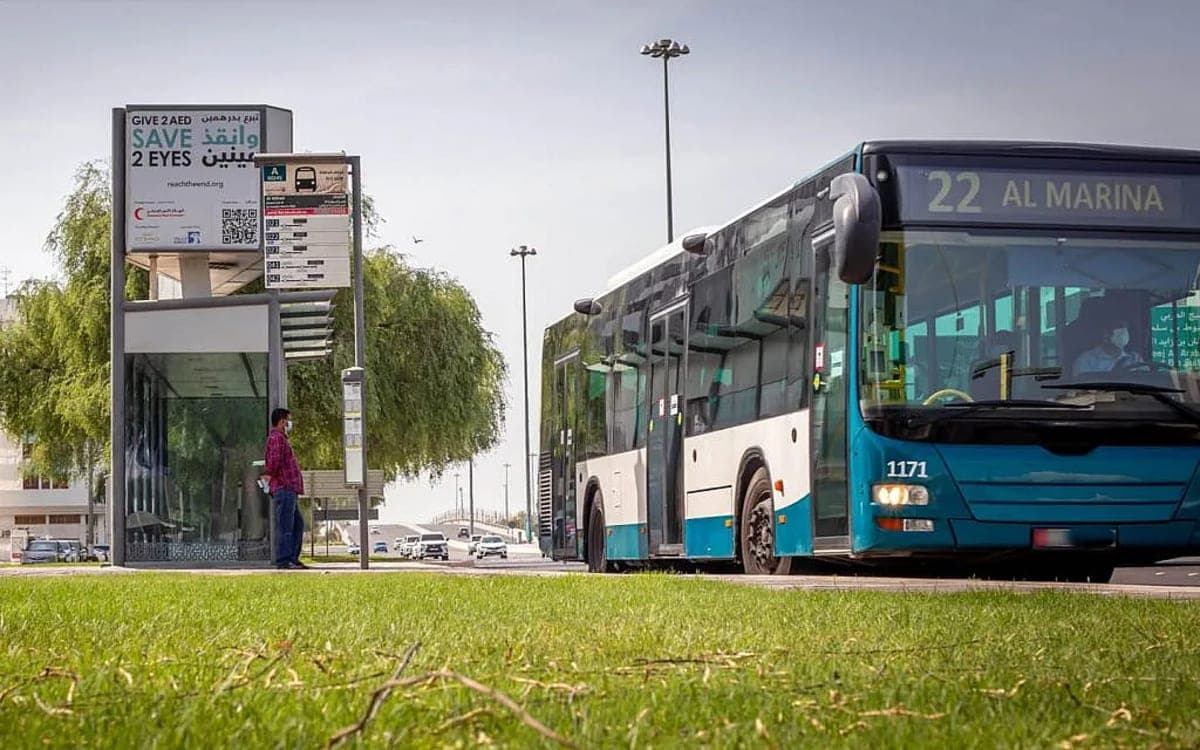
Public buses form the backbone of affordable common transport in Abu Dhabi. Operated by Abu Dhabi Mobility, buses connect major residential areas, business districts, and intercity routes.
Confirmed characteristics Fixed routes and schedules Low fare structure using Hafilat cards Air conditioned buses and stations Intercity links to Al Ain and other emirates
Buses are especially popular among workers, students, and long-distance commuters. Their affordability makes them a key pillar of common transport in Abu Dhabi.
3️⃣ 💰 Cost Comparison Between Taxi and Bus
Cost is a decisive factor in determining common transport in Abu Dhabi usage. Buses offer the lowest transport cost in the city, with flat fares suitable for daily commuting.
Taxis cost more due to distance-based pricing but provide door-to-door service. Residents with flexible budgets often prefer taxis, while cost-conscious commuters rely on buses. This cost gap strongly influences common transport in Abu Dhabi trends.
4️⃣ 🕒 Convenience and Time Efficiency
Time efficiency plays a major role in selecting common transport in Abu Dhabi. Taxis offer direct routes with no waiting times, making them ideal for urgent travel.
Buses operate on schedules and fixed routes. While reliable, they require planning and may include walking to stops. Despite this, buses remain essential to common transport in Abu Dhabi for structured daily routines.
5️⃣ 🌍 Coverage and Accessibility
Taxi coverage extends across urban and suburban Abu Dhabi. This wide reach strengthens their position in common transport in Abu Dhabi.
Bus coverage focuses on high-density areas, labor zones, malls, and government hubs. While not as flexible as taxis, buses provide consistent access, reinforcing their importance in common transport in Abu Dhabi.
6️⃣ 👥 Who Uses Taxis More
Taxis are widely used by tourists, families, professionals, and elderly residents. Their ease of access makes them a practical choice within common transport in Abu Dhabi.
Short-distance trips, airport transfers, and night travel heavily favor taxis. This consistent demand secures taxis a strong share of common transport in Abu Dhabi.
7️⃣ 👷 Who Uses Buses More
Buses are preferred by daily workers, students, and long distance commuters. Their affordability and route stability place them at the core of common transport in Abu Dhabi.
During peak hours, buses carry large volumes of passengers, highlighting their efficiency in managing citywide mobility and reinforcing their role in common transport in Abu Dhabi.
8️⃣ 📊 Which Is Truly More Common in Abu Dhabi
When measured by total trips per day, buses carry a higher volume of passengers, making them statistically more dominant within common transport in Abu Dhabi.
However, taxis remain more visible due to constant movement across the city. This creates a perception advantage even though buses quietly support the majority of the common transport in Abu Dhabi demand.
Conclusion
So which is the more common option? In reality, both taxis and buses define common transport in Abu Dhabi in different ways. Buses dominate in passenger volume and affordability, while taxis lead in convenience and visibility.
Residents often use both depending on purpose, budget, and timing. This balanced ecosystem ensures that common transport in Abu Dhabi remains efficient, regulated, and accessible in 2025.
Also Read: Powerful Guide to Amazing Late Night Food Options in Abu Dhabi
Image Credits: The featured image has been taken from dubizzle